Potential Optimization Techniques: Applied Pedagogy for TOP® Practitioners for Individuals
What are the Objectives of Applied Pedagogy for TOP® Practitioners
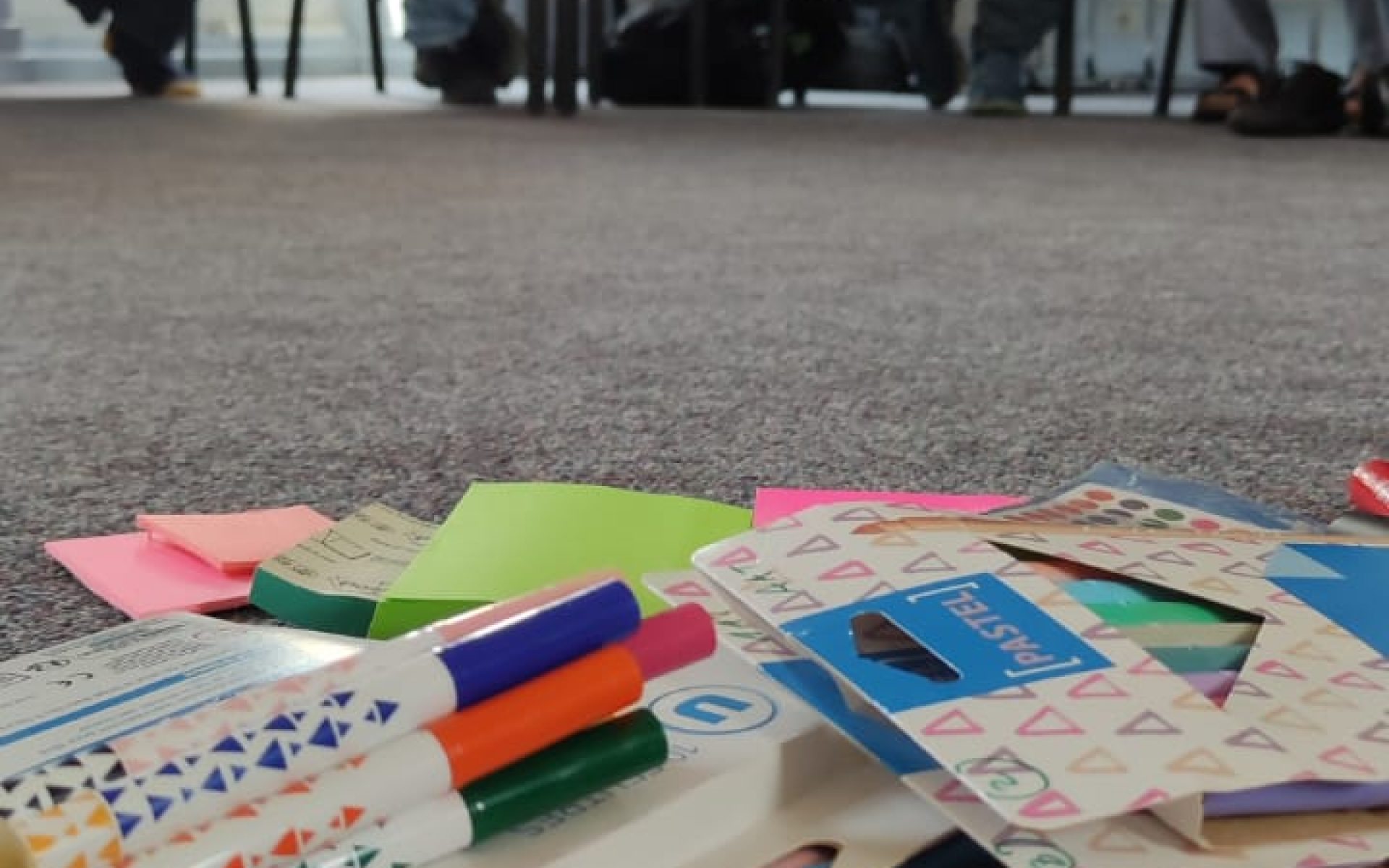
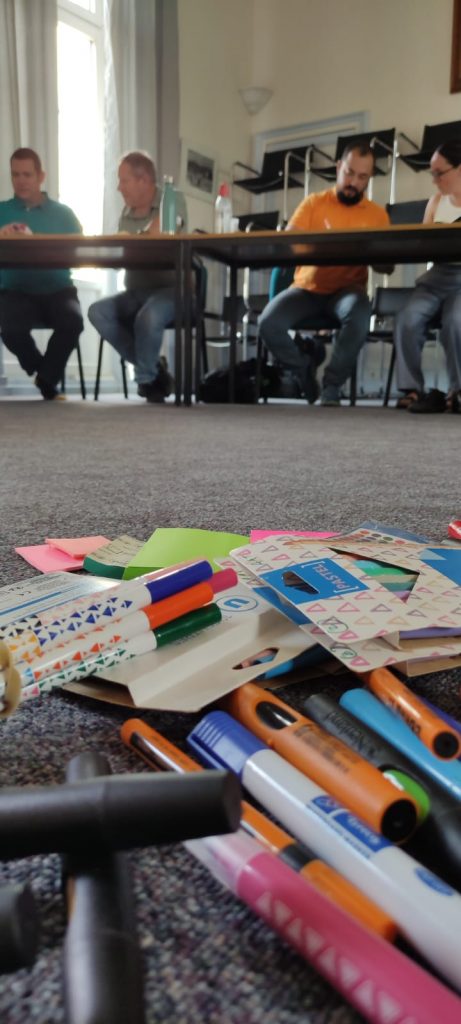
Applied pedagogy for TOP practitioners aims to train facilitators capable of designing, leading, and evaluating effective training based on active and experiential pedagogy. It enables participants to become familiar with pedagogical engineering tools, experiment with different training sequences, and learn to structure their modules in a coherent and impactful manner.
TOP practitioners thus develop their adult pedagogy skills by integrating the four pillars of learning. They strengthen their know-how, interpersonal skills, and practical skills to design training aligned with clear pedagogical objectives and adapted to their audience and professional environment.
The training also focuses on mastering group facilitation techniques and adopting an approach that promotes active participant engagement. Finally, it encourages a reflective approach to analyze and improve one’s own practice as well as that of peers, to enhance the quality and impact of TOP training.
The benefits of
Potential Optimization Techniques
Potential Optimization Techniques (TOP®) are a set of mental strategies enabling everyone to best mobilize their physical and psycho-cognitive resources. Depending on situational demands, the objective is to cope and adapt. This set of techniques relies on simple processes combining: breathing techniques, relaxation, energizing techniques, and mental imagery.
Stress and emotion management
Managing stress means adjusting one’s responses to the demands of the moment. Breathing, relaxation, internal dialogue, and imagery quickly rebalance tension, thought, and emotion. Effective everywhere.
Concentration and efficiency
To concentrate is to choose what is essential and filter out the rest. TOP® training rituals guide attention, stabilize energy, and clarify action. Measurable results.
Well-being and life balance
Balance arises from a proper rhythm between engagement, recovery, and meaning. Breathing, relaxing, and positive projection support sleep, mood, and motivation. Sustainable, simple.
Sustainable performance
Sustained performance means progressing while preserving one’s health. Clear objectives, mental training, and regulation maintain consistency and quality. Reliable, reproducible.
the 6 Sequences of Applied Pedagogy for TOP® Practitioners
This applied pedagogy module for TOP® enables you to acquire the necessary skills to design, lead, evaluate, and develop your training programs in a structured and effective manner. It focuses on pedagogical engineering, understanding learning mechanisms, and developing an approach that promotes active participant engagement.
Sequence 1: Opening Activities and Group Inclusion + Framing of Applied TOP® Training
Dynamic group welcome and inclusion through cross-presentations and a revisited TOP Weather. Co-construction of rules, program presentation with participatory and unconventional methods. Use of icebreakers and revisited TOP techniques to create a conducive learning atmosphere.
Sequence 2: Experimentation with an Active Pedagogy Method to Discover the 4 Pillars of Learning (cf. neuroscience research)
Interactive discovery of the neuroscientific pillars of learning (attention, active engagement, feedback, consolidation) via inverted classrooms. Introduction of re-energizing tools, consolidation and playful debriefs to anchor learning and maintain collective energy throughout the course.
Sequence 3: Did You Say Constructive Alignment?
Exploration of pedagogical engineering principles: defining clear learning objectives and aligning activities, evaluations, and TOP tools.
Sequence 4: What if We Discussed the Posture of TOP Facilitators?
Reflection on the trainer’s posture: listening, presence, assertiveness, and balance between communication, control, and conviviality. Identification of the levers of flow in the learner through a criterial grid of postures and the playful experimentation of the game of apagogie.
Sequence 5: Action! 30 Minutes of Facilitation Practice Followed by an Immediate Debriefing
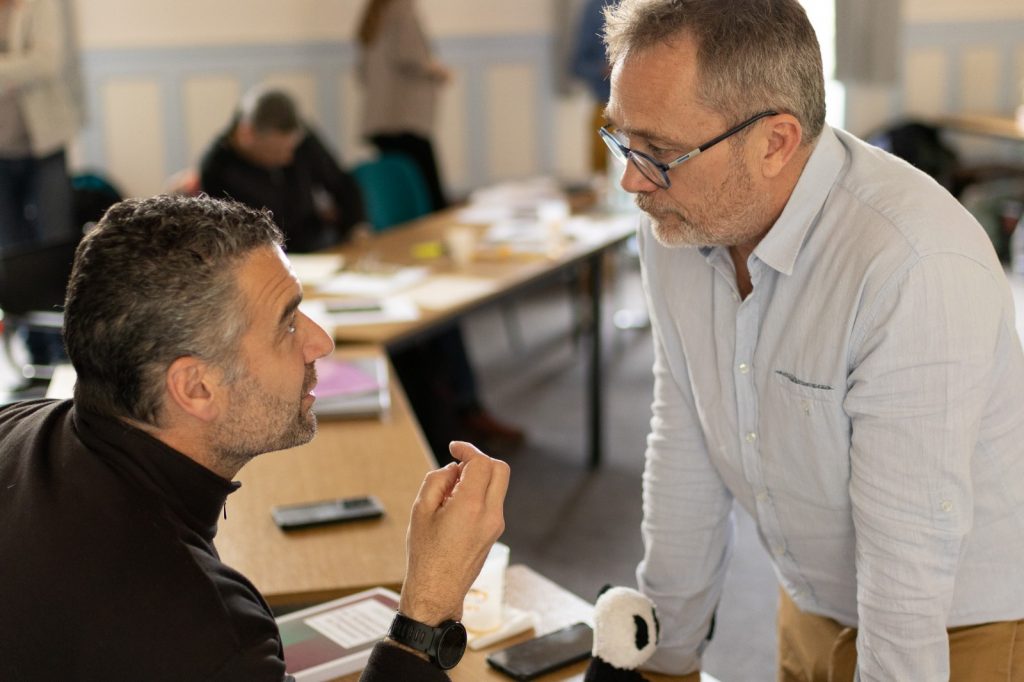
Practical simulations: each participant facilitates for 30 minutes, alone or in pairs, based on a randomly selected topic. Adaptation of techniques to one’s personality and pedagogical objectives. Immediate collective debrief, peer evaluation, and self-evaluation.
Sequence 6: How to Conclude a Training Session
Collective closing with a consolidation debrief (Motorola method), followed by a group debriefing with revisited TOP tools. Reflection on the next steps and valuing the learning to extend the training dynamic beyond the session.
Our training courses
Case studies
the Rates for Applied Pedagogy for TOP® Practitioners
Applied Pedagogy
€760
Application fee: €50


the Terms of Applied Pedagogy for TOP® Practitioners
Prerequisites
Prerequisites: to be a TOP® practitioner or aspiring to be one.
Format
Duration: 3-day intensive training
Certification
Training certificate issued for each participant who has completed the entire training.
Training Dates and Locations
No upcoming dates
TOP® Confidence
Donner un avis
Ready to unlock your potential?
Discover how TOPs can transform your daily life and your performance.
Contact us to schedule your training!